












Member of the International Commission of Experts on Financing for Development, Government of Spain & United Nations, Madrid & New York
Government of Spain & United Nations | Jul 2024

First Class Order of Zayed II, bestowed by the United Arab Emirates President His Highness Sheikh Mohamed bin Zayed Al Nahyan
Abhu Dhabi Media Office | May 2024


Member of the G20 Task Force on a Global Mobilization Against Climate Change
Brazilian Government | Feb 2024


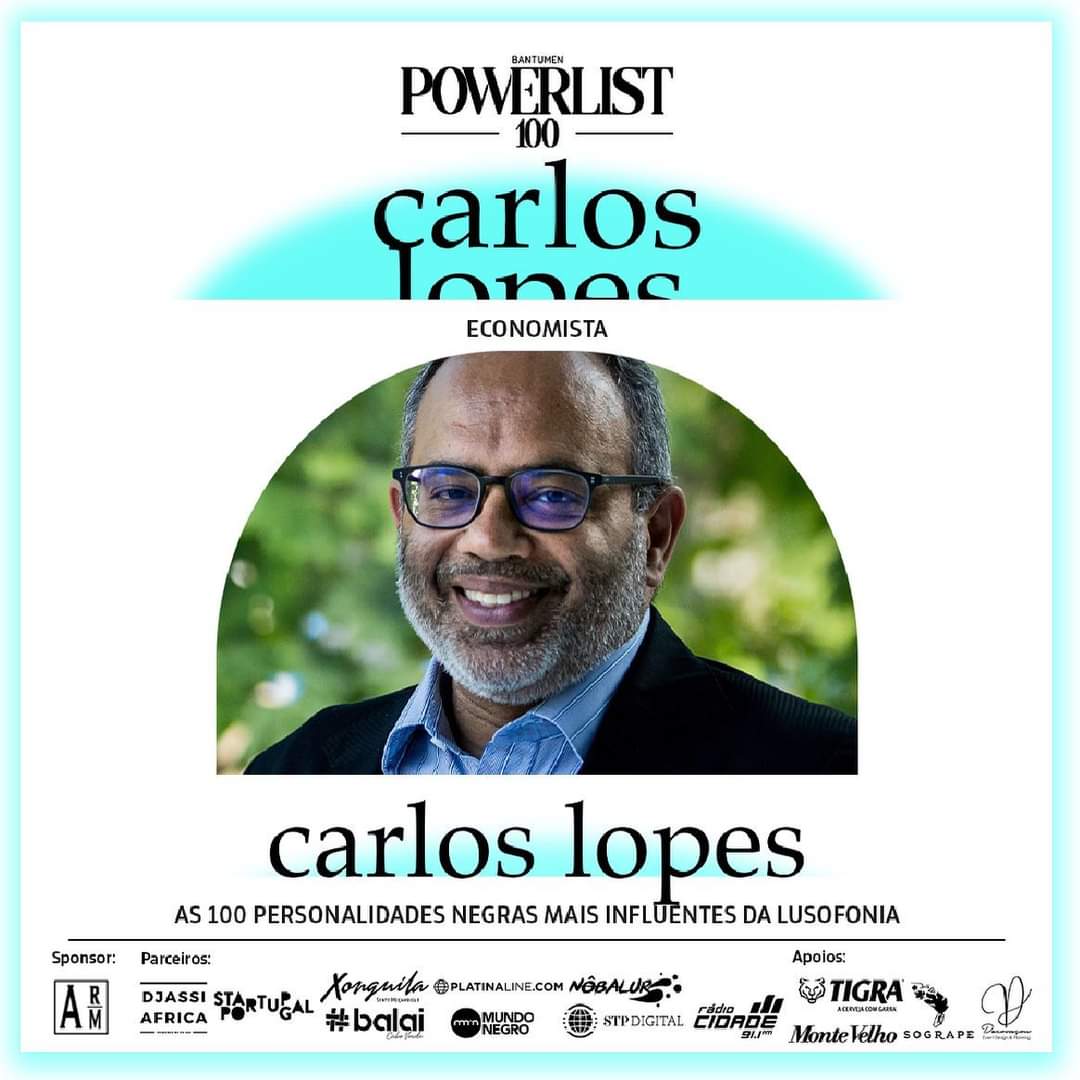
One of 100 most influential black personalities of the Lusophone World
Bantumen 100 Powerlist | Dec 2022

Confirmed by the United Nations Economic and Social Council as a member of the prestigious Committee for Development Policy for the period 2022 to 2024.
United Nations Economic and Social Council | Apr 2022

New Chair of the Board and Advisory Council of the African Climate Foundation
African Climate Foundation | Apr 2022

Appointed as > Foundational Fellow of the International Science Council
International Science Council | Mar 2022

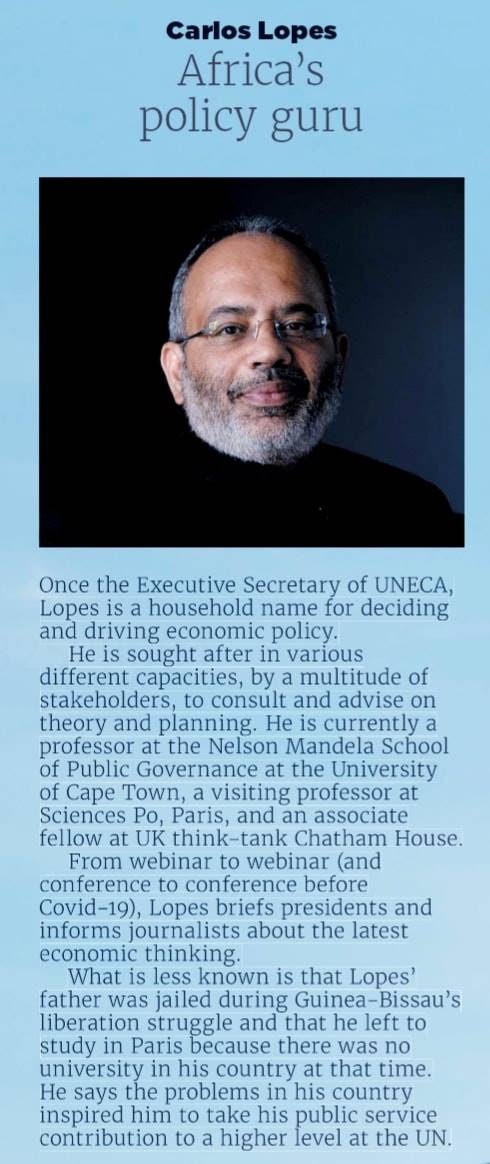
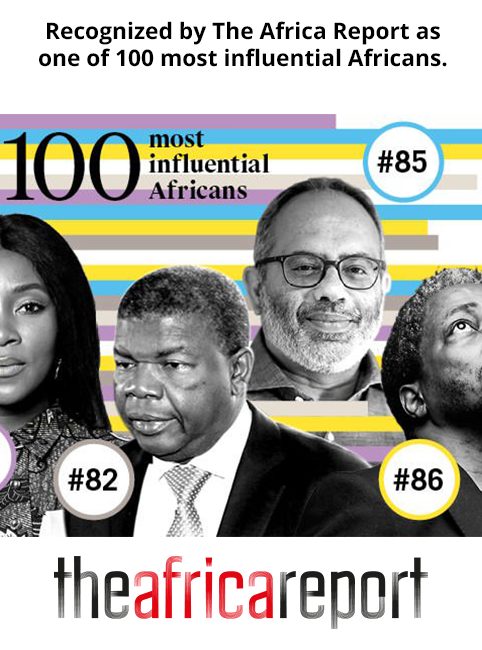
Recognised by the African report as one of the 100 most influential Africans
The Africa Report | Oct 2019


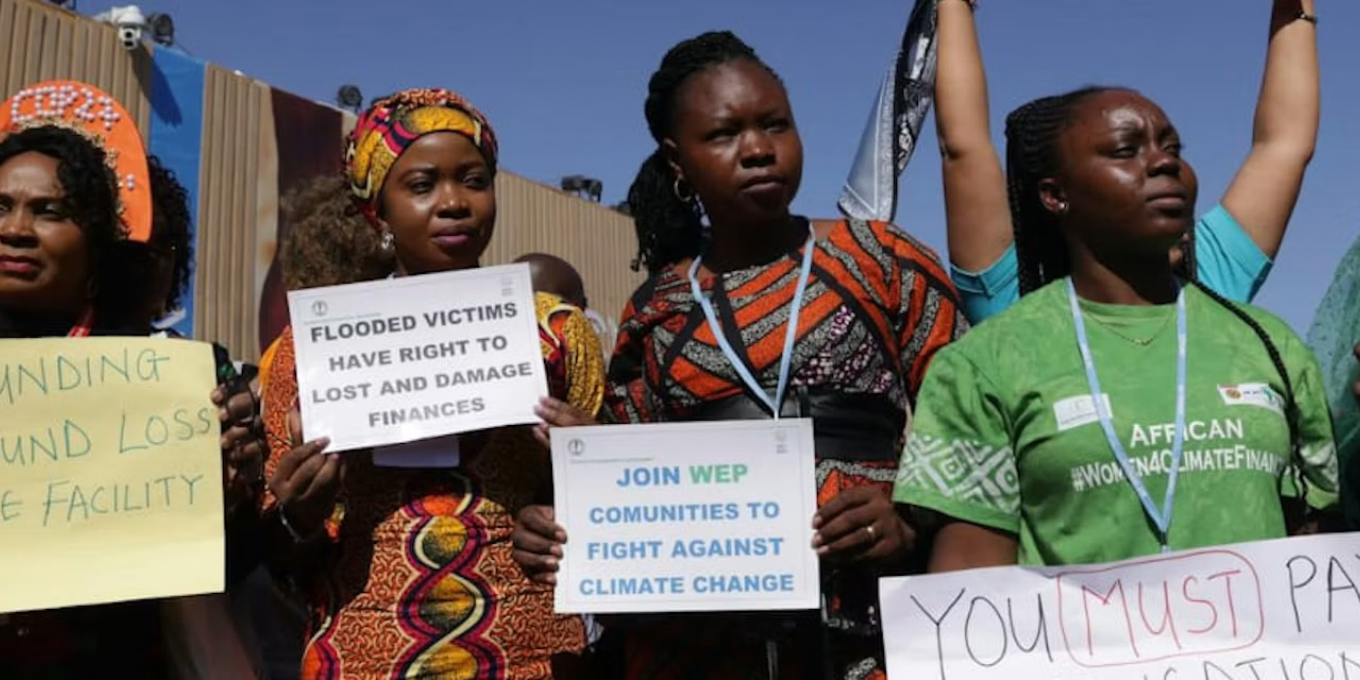
L’Afrique ne reçoit que 23 % du financement climatique dont elle a besoin et paie le prix fort pour cela
Read MoreAfrica gets only 23% of the climate finance it needs – and pays too much for it
Read More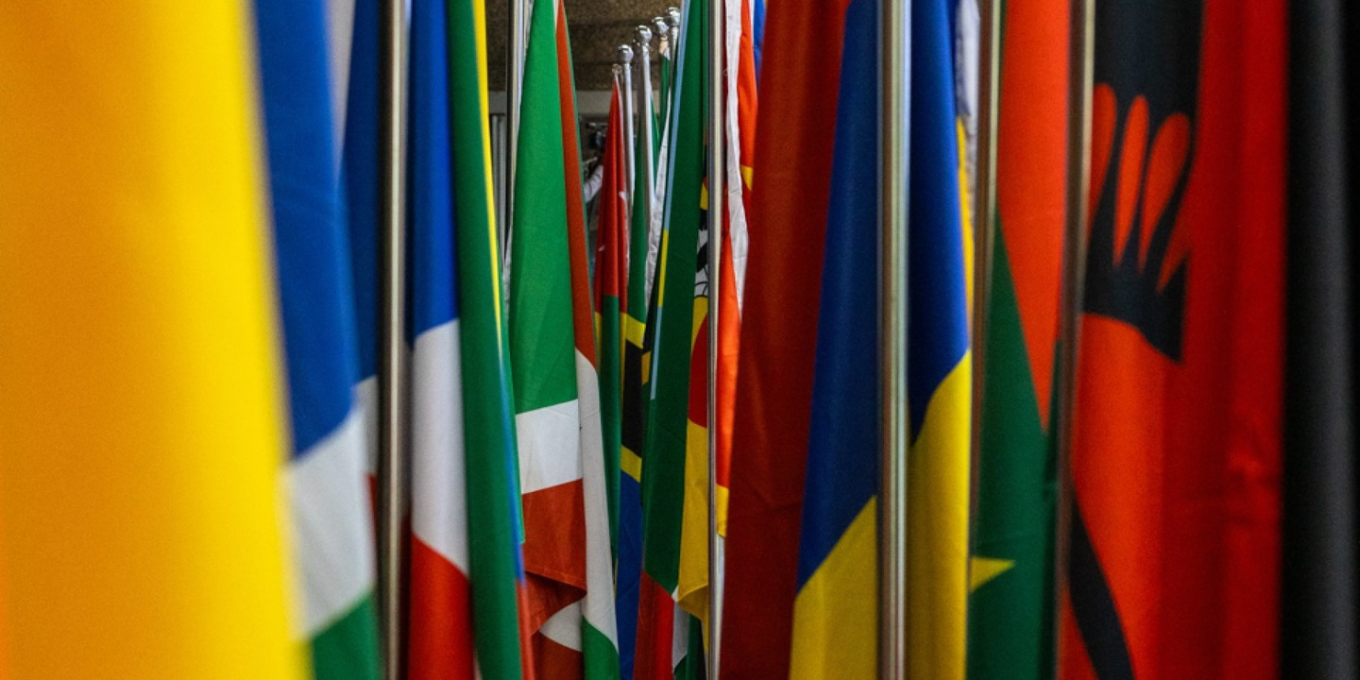
Climate Diplomacy as Development Statecraft
Read More
L’économie du développement à l’ère des bouleversements
Read MoreDevelopment Economics for an Age of Upheaval
Read More
Cartographie : corriger la carte de l’Afrique, un enjeu économique et stratégique
Read More















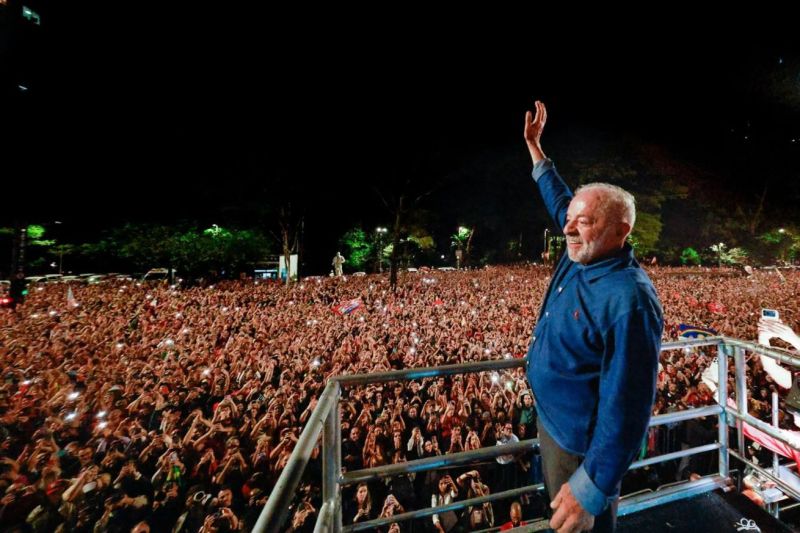
🇧🇷 BRAZIL 🇧🇷
I warmly congratulate the Brazilian people on President Lula ’s victory. Beyond the electoral result, I see a people asserting their right to determine their own future in the face of sustained pressure. Their choice carries significance far beyond Brazil: it offers
Certains ont pu craindre à l’époque que @GilbertFHoungbo se concentre sur la fonction d’aide au développement remplie par l’OIT et esquive en revanche les difficultés de sa mission normative, qui consiste aux termes de sa Constitution à élaborer et faire respecter des normes

🚨🌍 A DECADE AGO I WARNED ABOUT THE COMING CRISIS OF HOPE IN THE WEST. TODAY, IT IS UNFOLDING BEFORE OUR EYES.
In 2016, I wrote an article entitled "They Don’t Believe in the Future." I argued that when young people lose confidence in their prospects, when education no longer
My article: https://archive.uneca.org/es-blog/they-don%E2%80%99t-believe-future?utm_source=chatgpt.com
Lopes: "It is one thing to be considered risky. It is quite another to be persistently mispriced. For decades, African economies have been assessed through risk frameworks that only partially capture their realities. The consequence has not simply been analytical distortion – it
The continuity factor is something most people don't like to talk about.

Families recount deaths, injuries and displacement as Trump accelerates US strikes against armed groups in Somalia.
Read more: https://aje.news/p511fi
PORQUE FALAR DO BRASIL?
O momento político brasileiro é demasiado grave para ser tratado como mais um episódio da interminável novela nacional. O Brasil tem uma extraordinária capacidade de transformar o absurdo em espetáculo e, depois, surpreender-se com as consequências. Mas



Join Our Newsletter Today!